

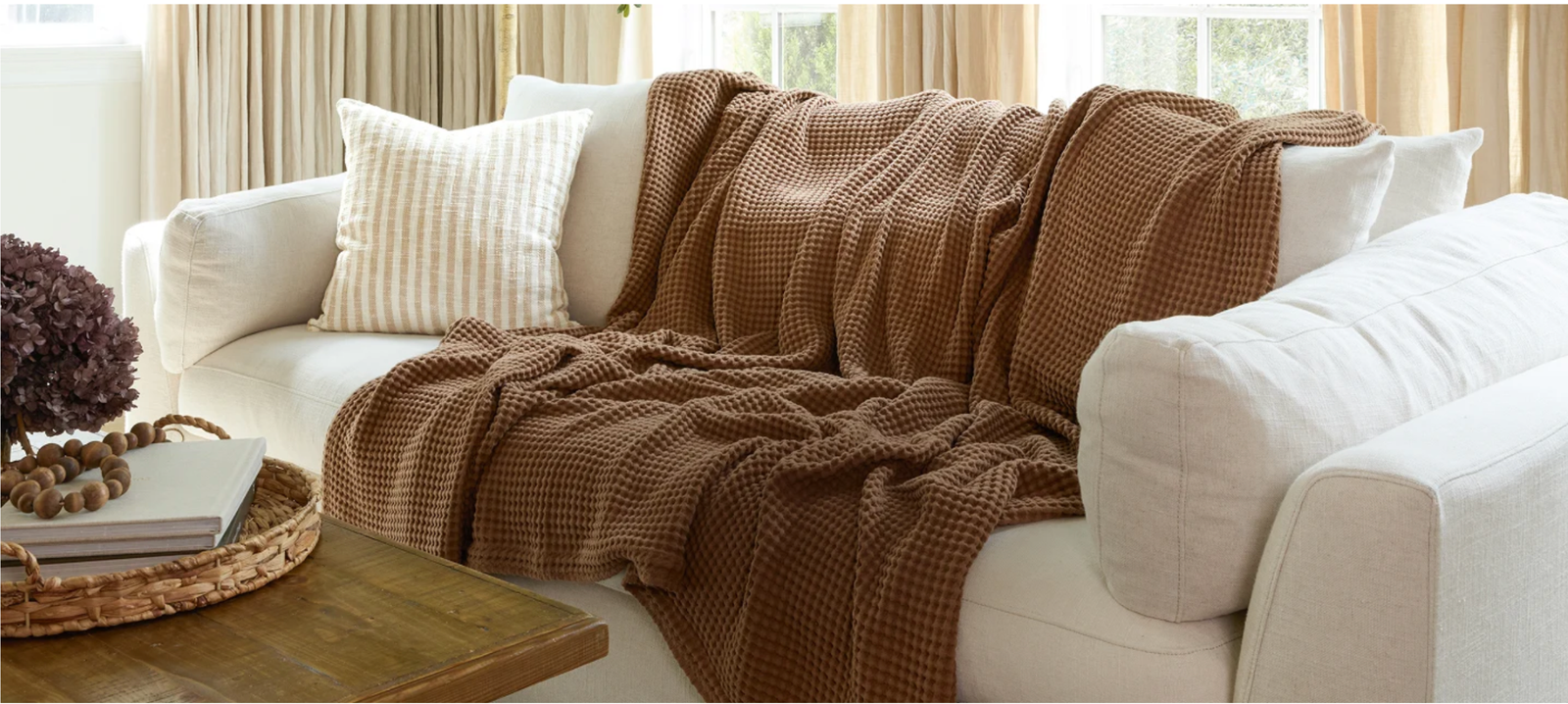
A warm and inviting home is about more than having stylish furniture or following the latest design trends. The most welcoming spaces make you feel comfortable as soon as you walk through the door. They have soft textures, pleasant lighting, personal details, and rooms that feel like they are meant to be enjoyed. You do not need a large decorating budget or a professional designer to create this feeling. Small changes can make your home more comfortable while giving it more personality. Whether you are updating one room or your entire house, focusing on a few important details can help you create a space where family and guests can relax.
Table of Contents
Start With Warm and Comfortable Lighting
Lighting has a major effect on how a room feels. Bright overhead lights can be useful when you need to see clearly, but they may make a room feel harsh if they are the only source of light.
Add table lamps and floor lamps to create softer lighting throughout your home. Warm-toned light bulbs can help living rooms and bedrooms feel more relaxing, especially in the evening.
Natural light is important too. Open curtains and blinds during the day to let sunlight into your home. Mirrors can also help reflect natural light into darker areas.
Add Soft Textures Throughout Your Home
Soft textures can make almost any room feel more comfortable. You can introduce them without replacing large pieces of furniture.
Place a throw blanket over the back of your sofa or add a few comfortable pillows to chairs. Rugs are another easy way to soften a room, especially if your home has tile or hardwood floors.
You can also mix different materials to give the space more depth. Cotton, knits, woven fabrics, and soft upholstery can work together without making the room feel too busy. Choose colors and textures that complement each other for a more natural look.
Choose Colors That Create a Comfortable Mood
Color can change the atmosphere of a room. Warm neutrals such as cream, beige, tan, and soft brown can make a space feel calm and welcoming.
You do not have to repaint your walls to bring these colors into your home. Curtains, rugs, pillows, blankets, and artwork are simple ways to introduce a new color palette.
Earthy shades like muted green, rust, and warm gold can also add personality. Try using stronger colors as accents rather than filling the entire room with them.
Make the Bedroom Feel Like a Retreat
The bedroom is one of the most important rooms when creating a comfortable home. It should feel like a place where you can relax and separate yourself from the activity of the day.
Since the bed is usually the largest feature in the room, start there. Choosing comfortable high end bedding can help create a soft and inviting centerpiece while giving the bedroom a more polished look. You can layer your bedding with pillows and a throw blanket to add texture without making the bed look overcrowded.
Keep nightstands fairly simple and use warm bedside lighting instead of relying only on a bright ceiling fixture. Reducing clutter can also make the bedroom feel calmer and easier to enjoy.
Bring Nature Indoors
Natural elements can make a home feel fresh and lived in. Houseplants are one of the easiest ways to bring nature into your rooms.
Place small plants on shelves, counters, or side tables. Larger plants can fill empty corners while adding color to the room. If caring for plants is difficult, realistic artificial plants can create a similar look.
Other natural materials can work well too. Wood furniture, woven baskets, stone accessories, and dried flowers can add warmth and texture without overwhelming your decor.
Display Items That Mean Something to You
A home can look beautiful but still feel impersonal if everything seems like it came straight from a showroom. Personal items give your space character and help tell your story.
Display family photos, books, artwork, travel souvenirs, or objects connected to your hobbies. You do not need to display everything you own. A few meaningful pieces can have more impact than filling every shelf.
Try grouping similar items together rather than spreading them across the room. This can keep your home feeling personal without creating unnecessary clutter.
Keep Everyday Spaces Comfortable and Functional
A welcoming home should look good, but it also needs to work for everyday life. Furniture should be arranged in a way that makes it easy to move around and spend time together.
In the living room, arrange seating so people can comfortably have conversations. Keep a side table near chairs or sofas so there is an easy place to set down a drink or book.
Storage can also improve comfort. Baskets, cabinets, and decorative boxes can keep everyday items nearby without leaving clutter throughout the room.
Create a Welcoming First Impression
Your entryway sets the mood for the rest of your home. Even a small entrance can feel welcoming with a few thoughtful details.
Keep the area clean and organized so shoes, bags, and coats do not immediately create clutter. A small rug can add softness and color, while a mirror can make the space feel brighter.
If you have room, add a small table or bench. A plant, lamp, or simple decorative item can finish the space and make the entrance feel intentional.
Create a Home That Feels Like You
What makes a home feel warm and inviting is not one specific decorating style. It is the combination of comfort, personality, and thoughtful details.
Start with warm lighting and soft textures, then bring in comfortable colors and natural materials. Make bedrooms relaxing, keep shared spaces functional, and display items that have meaning to you. Most importantly, choose things you genuinely enjoy rather than trying to copy a perfect room you saw online. When your home reflects the people who live there, it naturally becomes a more comfortable and welcoming place.

